
Clearance lots are assorted lots of products coming from overstock, clearances and returns from large European stores, brands and online platforms. Their price is low because of the origin of the goods and because they are sold as assorted lots —not because of a one-off discount—: we buy large volumes of surplus and resell them by the lot so you can resell them at a margin.
In short
- Stock origin: overstock, clearances and returns from large European stores.
- There is usually new product, overstock and returns; the exact condition is stated in each listing.
- The low price comes from the origin of the stock and from selling assorted lots, not from a temporary promotion.
- We do not guarantee specific brands or an exact condition unless the offer's listing states it.
What is a clearance lot?
A clearance lot is an assorted set of products that a manufacturer, a brand, a large store or an online platform needs to move quickly. Instead of being sold unit by unit in a shop, that stock is grouped into boxes and pallets and sold wholesale. That is why at Bijuymoda you do not buy piece by piece: you buy the complete lot, exactly as described in its listing.
Where the stock comes from: overstock, clearances and returns
The stock we offer comes mainly from three sources:
- Overstock (surplus stock): new product that a company made or bought in excess and needs to clear to empty the warehouse, change season or free up cash.
- Clearances: stock from large European stores and brands that reaches the wholesale market well below its original value.
- Returns: goods returned by end customers on platforms and large stores. They may include new product, non-original packaging and items checked only superficially.
Many offers combine several of these sources. The specific origin and condition are always reflected in each lot's listing.
Why the prices are so low
The low price is not a temporary offer: it is the direct result of how we work.
- We buy by volume: we acquire large quantities of surplus and clearance stock, which greatly reduces the cost per unit.
- We sell assorted lots: by not selecting piece by piece, we avoid the cost of sorting and selling unit by unit, and that saving is passed on to the price.
- Fast turnover: we move stock quickly, prioritising volume over margin per unit.
- Wholesale B2B sales: as the goods are sold in a wholesale format, they are not managed as a piece-by-piece retail sale, which also explains the price.
What you will find (and what we cannot promise)
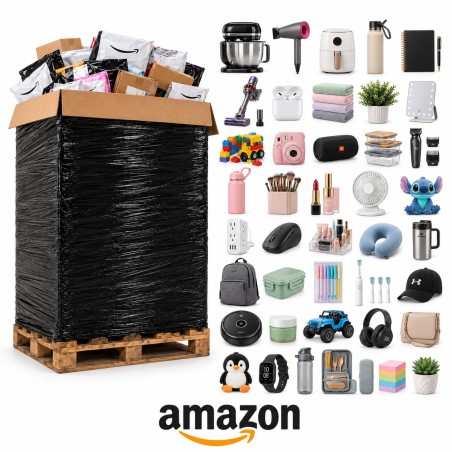
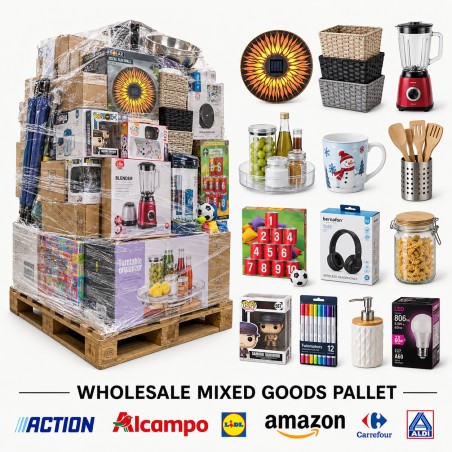
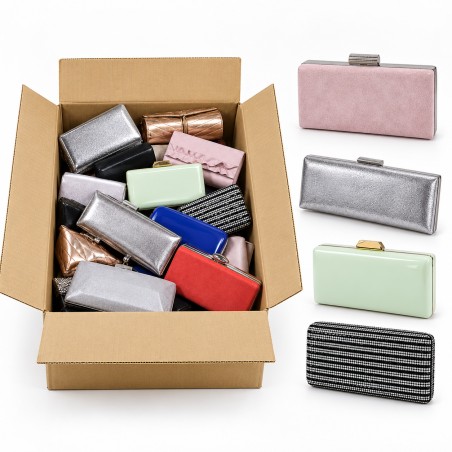
Each offer describes in its listing the type of product, its format (box, pallet or several pallets), its condition (new overstock, customer returns or unchecked) and, if it exists, its content list. As these are assorted lots, we cannot guarantee specific models, brands, sizes or colours unless the listing states it expressly. When we have material available in the warehouse, we can send you representative photos or videos of the type of product.
Who the lots are for
They are meant for resale: physical shops, online and marketplace sellers, exporters, distributors and market traders. We mainly work with companies and self-employed professionals, but we also sell to private individuals as long as they respect the wholesale conditions (buying by the lot, not unit by unit).
Frequently asked questions
Are the products new or used?
It depends on each offer: some lots come from new stock or overstock and others from returns. The exact condition is stated in each listing.
Why are they so cheap?
Because of the origin of the stock (overstock, clearance and returns) and because they are sold as assorted wholesale lots, with no piece-by-piece selection and without being managed as a unit-by-unit retail sale.
What does "overstock" or "surplus stock" mean?
It is new product that a company made or bought in excess and needs to clear to empty the warehouse or free up cash.
Can I choose the brands or models in the lot?
No. Lots are assorted; you cannot choose specific brands, models, sizes or colours unless the offer's listing states it.
How do I know what each lot contains?
In each offer's listing. It states the type of product, the format, the condition and, if there is one, the content list (packing list).
Top Deals lots in stock
View all →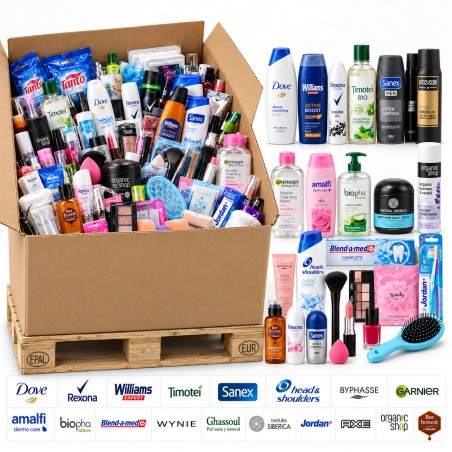
Ask in the chat: our assistant answers right away. You can also call us on +34 672 374 996.